What is Businesses in ChatGPT?
Businesses in ChatGPT is OpenAI's new program that lets a company claim a verified profile inside ChatGPT, keep its details current, and see data on how people find it there. It launched in beta on November 10 through a portal called Business Hub, and any eligible business in a market where ChatGPT operates can claim a profile. (Not to be confused with ChatGPT Business, the paid workspace plan for teams. Same company, very different product.)
There are three parts. The profile lets a verified brand update its company and product information. The insights show mentions, views, website clicks, and the "discovery topics" where the brand shows up, over 7- or 28-day windows. And Business Agents let a brand launch an AI representative that shoppers can chat with directly from its profile, starting with eligible US ecommerce and online service businesses.
The audience is not small. OpenAI says ChatGPT reaches 1.2 billion people every week, and a growing share of them are asking it which magnesium to buy, which protein powder is cleanest, or which brand is worth the price.
Does claiming your profile help you show up in ChatGPT?
Not directly. Benji Shomair, OpenAI's VP of monetization, told Digiday that a claimed profile "should not have an impact on how frequently it appears" in ChatGPT's answers. Better details may help it match you to more relevant conversations, but verification isn't a ranking boost.
The agent works the same way. It sits inside an answer that already mentions your business, which means a brand only gets that conversation if ChatGPT decides to surface it first. Think of the profile as the sign over the door. It doesn't bring anyone down the street.
What actually drives AI visibility for a brand?
AI visibility is how often, and how accurately, AI assistants mention your brand when someone asks a question your product answers. It's earned long before anyone clicks into a profile.
The strongest signal so far is what the rest of the internet says about you. Ahrefs analyzed 75,000 brands and found that branded web mentions predicted ChatGPT visibility far more reliably than backlinks or domain rating. ChatGPT pulls from your website, retailer listings, reviews, articles, and roundups, then blends them into one answer. If those sources disagree, the answer gets vague, or it goes to a competitor whose story is easier to tell.
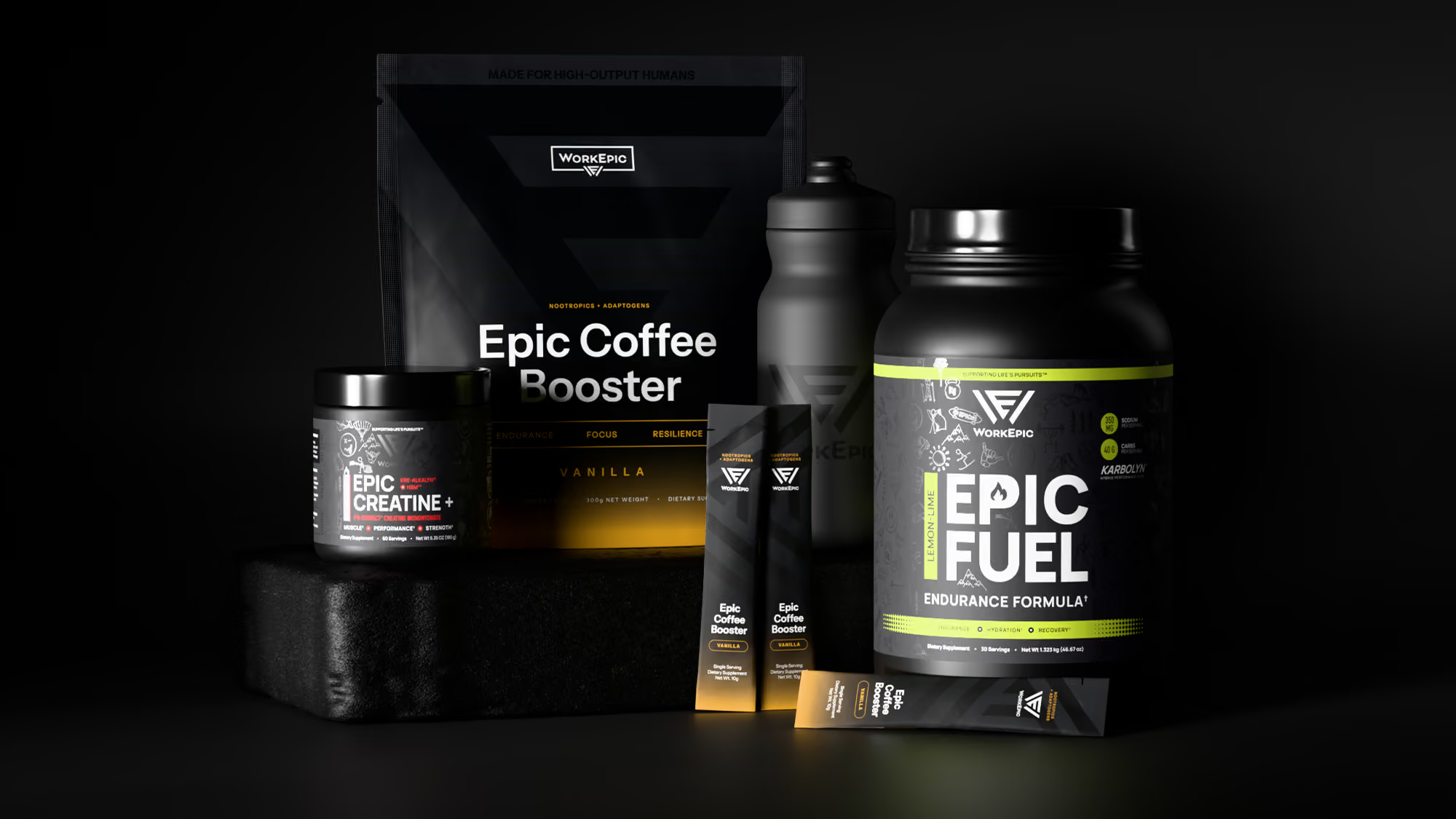
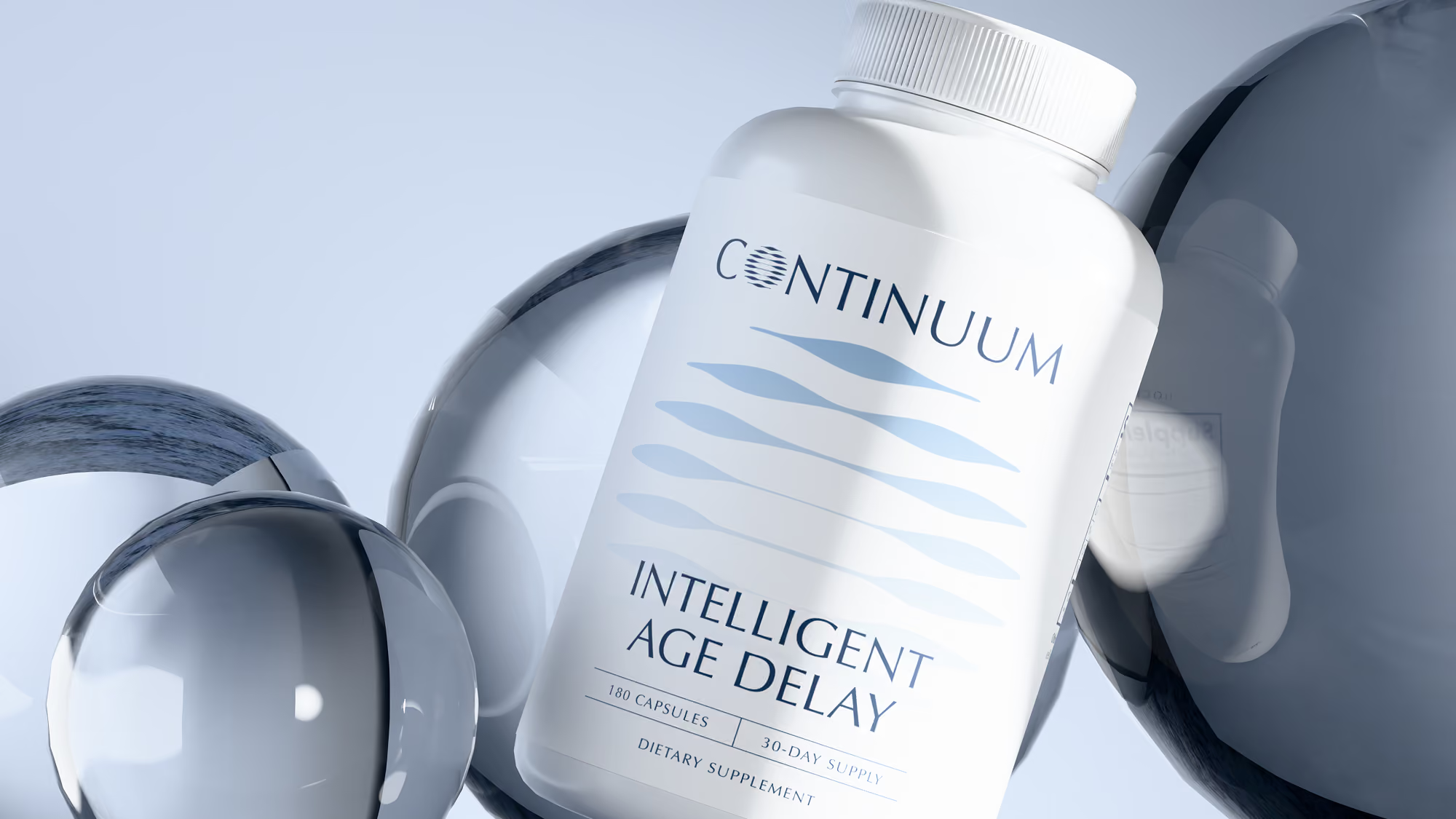
That's why this is a system problem, not a profile problem. When your site calls a product one thing, your Amazon listing calls it another, and your packaging leads with a third benefit, a model gets a muddled picture of who you are. Brands whose identity, packaging, and site say the same thing in the same words are simply easier for a machine to understand and recommend.
Where AI visibility is heading next
Our read: a claimed ChatGPT profile becomes table stakes within a year, the same way a Google Business Profile did. Coverage of the launch has already framed it as OpenAI's answer to Google's business listings, and brands that skip it will look unfinished next to the ones that don't.
The paid layer is coming fast, too. OpenAI already sells the same agent as an ad, called a Sponsored Agent, which it began testing in September. Its ad business passed a $1 billion annual run rate in August with 100,000 advertisers, according to The Next Web. As more brands pay to enter the conversation, the organic slots get more competitive, and they'll go to the brands with the clearest, most consistent, most credible information.
Measurement gets real as well. With first-party mention and click data from OpenAI, AI visibility stops being a guess and starts sitting next to search traffic in the monthly report.
What CPG brands should do now
Claim the profile. It's free, it's quick, and it gives you a baseline for how often you're showing up. But treat it as the last step, not the first.
The real work sits upstream. Make sure your site states plainly what each product is, who it's for, and what's in it. Keep product names and claims consistent across your site, retailers, and packaging. Earn third-party mentions through reviews, press, and honest roundups. And for supplement brands, remember that profile copy is still marketing copy: the same structure/function rules that govern your label apply to what you tell ChatGPT about your products.
ChatGPT just gave brands a front desk. It still decides who gets through the door, and it makes that call based on everything your brand says everywhere else.